
A Saudi-owned field research house, run from Jeddah. 350 interviewers working in the cities they grew up in, supervisors in every region, and questionnaires adapted into the Arabic people actually speak — from Najd to the Hijaz to the Eastern Province.
International and regional research agencies trust us to execute their studies in the Kingdom exactly as designed — and to tell them early when something that works in Dubai or London won’t work in Buraydah.
The same interviewers, supervisors and quality controls on every wave, with a field lead who answers the phone.
You own the study; we make sure it is executed exactly as designed — and tell you early if something in the field won’t work.
IBSAR is a Saudi-owned field market research company, run from Jeddah. Every interview, focus group and mystery visit is carried out by people we recruited, trained and supervise — in living rooms and majlis rooms, malls, offices and bank branches across the Kingdom.
We built the company this way on purpose. Most data problems are born in the field: a rushed interviewer, a respondent who didn’t qualify, a question translated too literally. Owning the field is how we remove them before they reach your tables.
That control is also what makes our qualitative depth possible. It is our job to uncover the emotions that are hard to express, and we have spent years honing projective techniques — run in each region’s own dialect — that let respondents tell us what they truly feel.
Things Saudi respondents say every day — and what a moderator who grew up here hears underneath them.
A questionnaire written in textbook Arabic sounds like a government form in a Riyadh living room, and slightly foreign in a Jeddah one. People answer the form — not the question.
So every IBSAR script is adapted by a native speaker from the region it will be asked in, then back-translated into English so you can see exactly what was said.
“What do you usually buy — and how much would you pay for it now?”
Correct, but formal. Respondents tend to answer it the way they would answer an official — carefully, and a little less honestly.
“What do you usually buy — and how much would you pay for it now?”
Short and direct. The register most national campaigns default to — which is exactly why it can sound distant in the west of the country.
“What do you usually buy — and how much would you pay for it now?”
Softer and quicker, shaped by centuries of pilgrims and trade. A Jeddah respondent can tell within one question that a script was written in Riyadh.
“What do you usually buy — and how much would you pay for it now?”
Closer to the Gulf dialects of Bahrain and Kuwait, with vocabulary of its own that a Najdi script will miss.
Every Saudi city has places and habits that carry more weight than any segmentation shows. Knowing them is the difference between asking the right question and asking it in the right place.
A heritage district and a good photo backdrop.
For Jeddawis it is the city’s identity — merchant family names, old coral-stone houses, Ramadan nights in the lanes. Borrow its look without its meaning and Jeddah notices.
Weekend intercepts here skew visitors; residents are reached through neighbourhood networks.
A rented rest house on the edge of town.
The weekly meeting place for groups of friends and cousins — where cars, phones, football and money are really discussed.
We can recruit naturally occurring friendship groups from istiraha circles, rather than strangers in a viewing room.
A messaging app.
The most trusted media channel in the Kingdom. Recommendations, warnings and offers travel here long before they reach a feed.
We ask about it directly in U&A and media studies — and respondents answer honestly when the interviewer is local.
A cool mountain town in the south.
From June to August it becomes one of the busiest cities in the Kingdom, as families from Riyadh, the Eastern Province and across the Gulf arrive for the weather, the fog and the evenings outdoors.
Summer samples here are split into residents and visitors.
Book a single service — recruitment only, moderation only — or hand us the full study. Every practice runs on the same field team and quality regime, with one field lead accountable from briefing to delivery.
Interviewers are briefed in person and run a pilot before full launch. GPS and timestamps travel with every CAPI interview, quotas are tracked daily rather than at the end of field, and short interviews are flagged and re-done automatically.
Moderators who live in the city they moderate and speak its dialect, applying projective techniques in the room. We moderate for you or under your brand, in Arabic or English.
Shoppers are profiled to match your real customers by age, gender and nationality, and rotated so staff never see the same face twice. Photo and audio evidence is attached to every visit.
For agencies who run their own studies and need a dependable pair of hands in the Kingdom. Book any piece on its own, at field-house rates, with the same quality controls as a full study.
Every control below is applied by default on every project, and every one leaves evidence you can request: briefing attendance, GPS logs, audio files, back-check records.
Every interviewer completes classroom training and supervised pilot interviews before working on a live study, then a project-specific briefing for each new questionnaire.
Each CAPI interview records where and when it happened and how long it took. Interviews that are too short or out of area are rejected before they reach your data.
With respondent consent, interviews are recorded and a sample is listened to by supervisors to check question wording, probing and respondent eligibility.
At least one in five interviews is verified by phone or revisit by someone other than the interviewer — independent of the field team that collected it.
Our interviewers work where they grew up. They know which districts to sample, when households are actually home, and how to ask a stranger for twenty minutes without losing them.
Work follows the ESOMAR code and Saudi Personal Data Protection Law. Encrypted devices, consent captured on every interview, anonymised delivery.
Questionnaire reviewed for flow and length, then adapted into the dialect of each region it will be asked in, with back-translation.
Face-to-face interviewer briefing and a small pilot. You see the pilot data before full launch.
Daily progress against quotas, supervisors in market, GPS and timestamp checks running throughout.
Back-checks, audio audits and logic checks. Anything that fails is replaced, not patched.
Clean data, verbatims or scorecards — and a call with the field lead who ran the wave.
Fieldwork here runs on two calendars. Ramadan, Hajj and the two Eids follow the Hijri year and arrive about eleven days earlier each year; school terms and summer follow the Gregorian one. Every IBSAR timeline is planned against both.
Days slow down and nights come alive. Malls and cafés are busiest from after Taraweeh into the early hours, and households are most receptive after Iftar.
Families travel, host relatives, or both. Response rates fall for about a week around each Eid, and some audiences become impossible to reach.
Entry to Makkah is limited to permit holders in the weeks around Hajj, and footfall in both holy cities changes completely.
Many Riyadh and Eastern Province families leave for weeks — abroad, or to Abha, Taif and Al Baha, where the population swells.
Term time sets the day. Parents are easiest to reach mid-morning on weekdays; students in the late afternoon and at weekends.
Friday mornings are quiet. Afternoons and evenings are when malls, parks and the corniche fill up — and Thursday night is the real start of the weekend.
Founding Day, National Day, Riyadh Season and Jeddah Season change footfall overnight in the cities that host them.
Five prayers shape the rhythm of every day. Footfall dips around each one, and some shops still pause.
In Saudi Arabia every interviewer is ours, from the main cities to Tabuk, Jazan and Arar. In Kuwait, the UAE, Bahrain, Jordan and Egypt we field through long-standing partner teams, briefed and spot-checked by our own field managers.
Our interviewers are briefed per sector — a pharmacist interview and a shopper intercept are different jobs, and we staff them differently.
U&A studies, pack and product tests, in-home use, shelf audits.
Branch mystery shopping, customer journeys, NPS and satisfaction trackers.
Retail store audits, network perception, churn and switching research.
HCP and pharmacist interviews, patient journeys, ethics-compliant recruitment.
Footfall intercepts, shopper safaris, store experience audits.
Showroom mystery shopping, clinics, owner and intender studies.
Taste tests, drive-thru and delivery audits, menu research.
Citizen satisfaction, service quality, tourism and visitor research.
The biggest recruitment network in the region. Relationships with media influencers, public figures and CEOs let us reach segments most agencies quietly decline.
Every respondent is screened by our own recruiters — by phone, then again on arrival — and never bought in from a list.
Client names withheld under NDA. Full references available on request during a proposal.
A regional beverage brand needed a nationally representative read on category usage before a relaunch.
Household sampling in 12 cities by interviewers local to each, scripts adapted per region, daily quota reporting and 20% back-checks.
Data delivered on day 34; the segmentation now drives the brand’s media plan for the Kingdom.
Strong trial, weak repeat. Survey data couldn’t explain why households weren’t coming back.
Groups and in-home visits in Riyadh, Jeddah and Dammam, each moderated in the city’s own dialect using projective techniques.
Uncovered a pack-size and gifting barrier the survey never surfaced; reformulated range launched a year later.
A retail bank wanted a fair, evidence-based ranking of service across its whole branch network.
Profiled shoppers rotated across every branch each quarter, with photo and audio evidence per visit.
Branch scores now feed staff incentives; the lowest quartile improved two years running.
You will speak to these people directly — not an account layer. Behind them: 350 interviewers, regional supervisors and in-house recruiters, moderators and data processors.
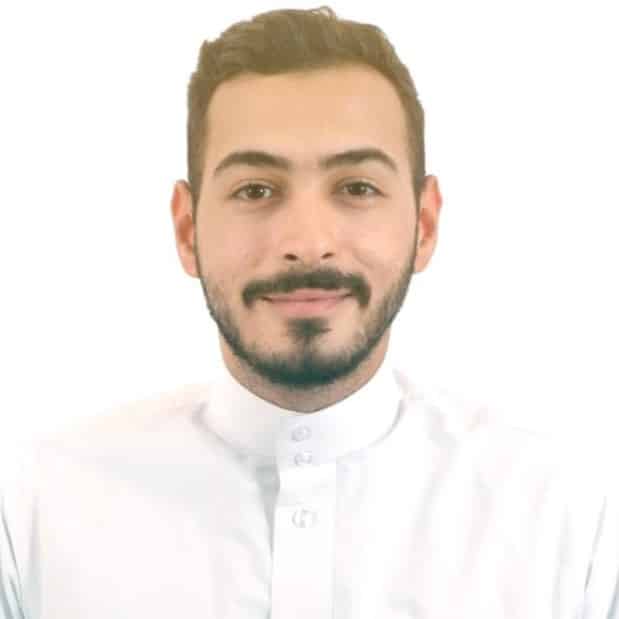
Your first contact for proposals, timelines and costs.
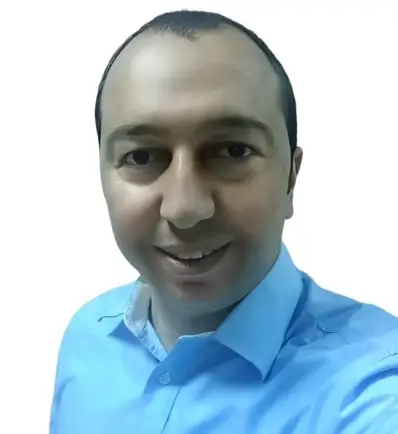
Leads moderation and projective technique design.
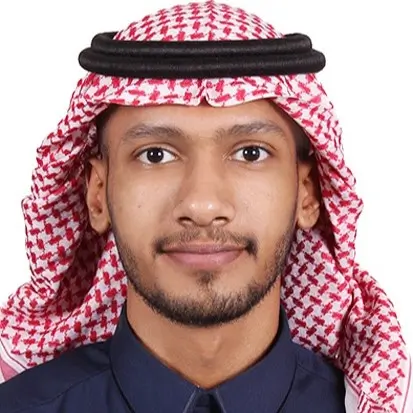
Runs studies end to end, from brief to delivery.
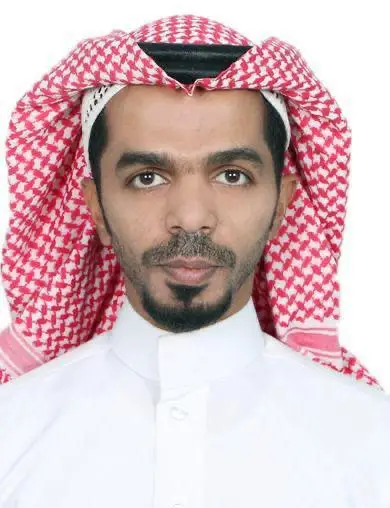
Interviewer teams, quotas and daily field control.
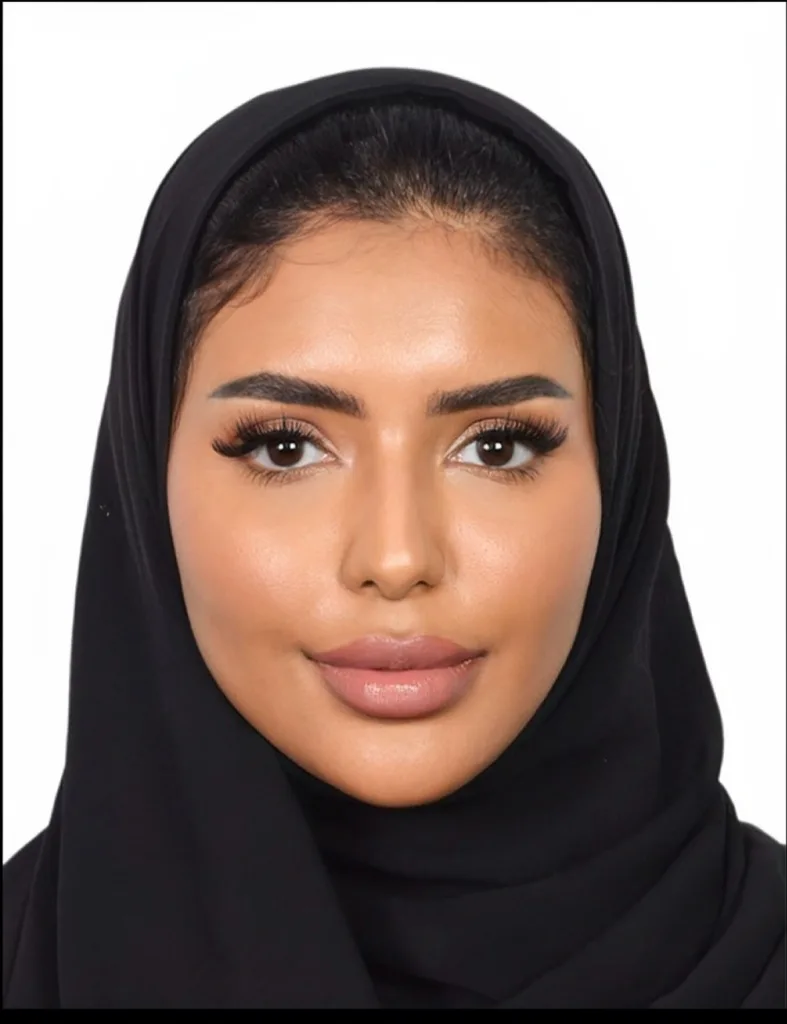
Recruitment, household access and field scheduling.

Scheduling, logistics and client updates.
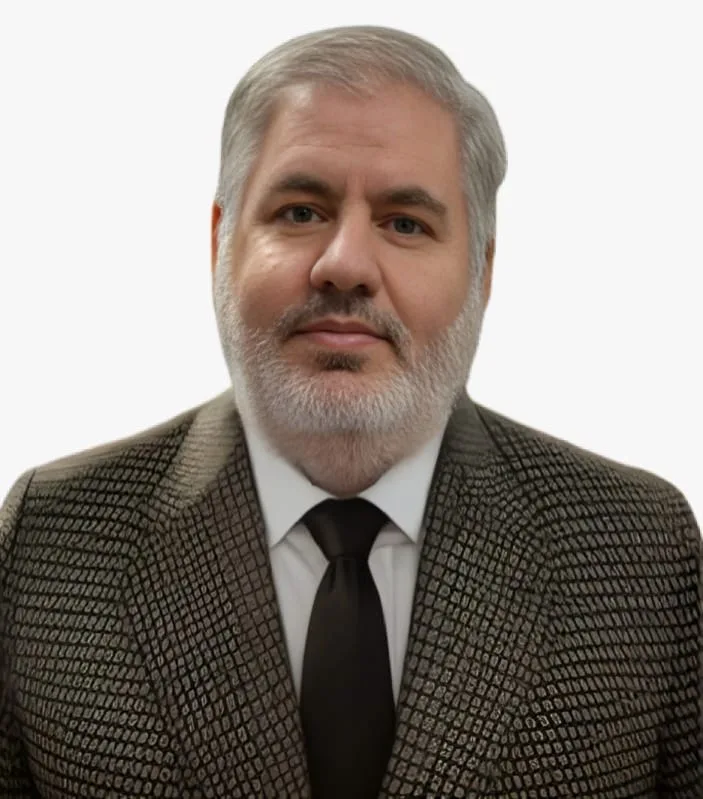
Scheduling, logistics and client updates.
Not covered here? Ask the operations desk directly — a field manager answers, not a salesperson.
No. In the Kingdom every interviewer, supervisor and recruiter works for IBSAR. Outside Saudi Arabia we field through long-standing partner teams that are briefed and spot-checked by our own field managers.
Yes — this is a large part of our work. We script on our CAPI platform or yours, report daily in your format, follow your QC spec in addition to our own, and can moderate under your brand.
For most quantitative studies we can brief interviewers and run a pilot within three to five working days of a final questionnaire. Hard-to-reach B2B or medical audiences need a little longer to recruit.
Yes — it just runs differently. In Ramadan we move intercepts to the evening and keep questionnaires short; in summer we rebalance quotas as families travel. Your timeline will show both the Hijri and Gregorian calendars.
Yes, in every city we cover, whenever the audience or topic calls for it.
Every Saudi dialect — Najdi, Hijazi, Eastern, Southern and Northern — plus Gulf Arabic for regional work. Beyond Arabic, our interviewers and moderators cover English, French, Urdu, Hindi, Uzbek, Bahasa and Spanish, so expatriate communities are interviewed in their own language. Adaptation and back-translation are done in-house.
We follow the ESOMAR code and the Saudi Personal Data Protection Law: consent on every interview, encrypted devices, restricted access and anonymised delivery. NDAs are signed before any brief is shared on request.
It depends on audience, method, sample and length. Send a one-line brief and you’ll receive a costed proposal within two working days, with options if the budget is fixed.
One sentence is enough. Within two working days you get a field approach, sample plan, fieldwork timeline and cost — from the field manager who would run it.
OFFICE
Abdul Rahman Al Anbari, Ar Rawdah, Jeddah 23435, Saudi Arabia
HOURS
Sunday – Thursday · 9:00 – 18:00 AST